
Party planning
The Yoruba culture of western Nigeria is full of folklore, color and pomp. People are calm, friendly, very cosmopolitan and contemporary, and invent ingenious ways to combine old traditions with more modern themes. Having the advantage of being exposed to Western ideas, the Yoruba integrate modern customs into their traditional marriage ceremonies.
The traditional Yoruba marriage ceremony, though serious, is full of joy, rich contemporary Nigerian music, elegant colors and sumptuous meals. Weddings are occasions to show the best outfits, bags, jewelry and even dance styles.
The traditional wedding is an occasion to relieve the monotony of normal life and is highly anticipated by friends
Event Organizer, Catering & Beverages
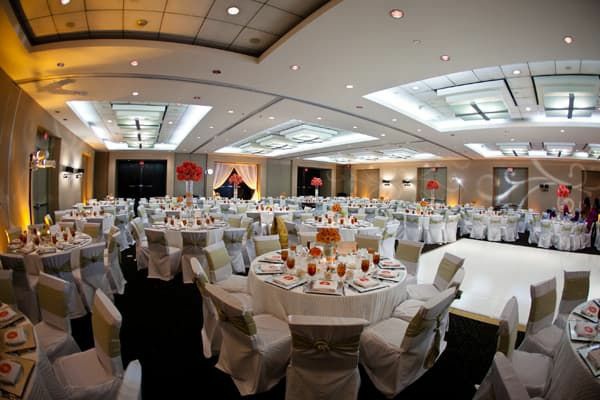
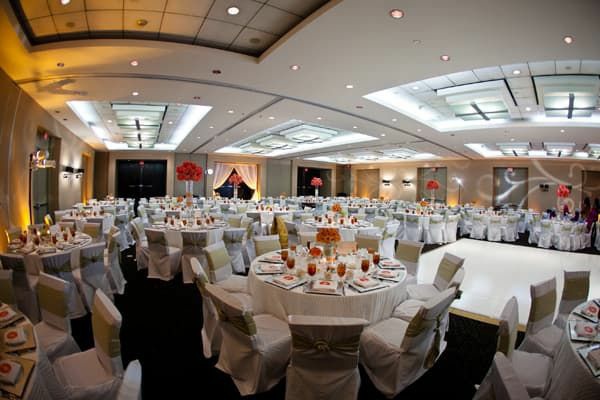
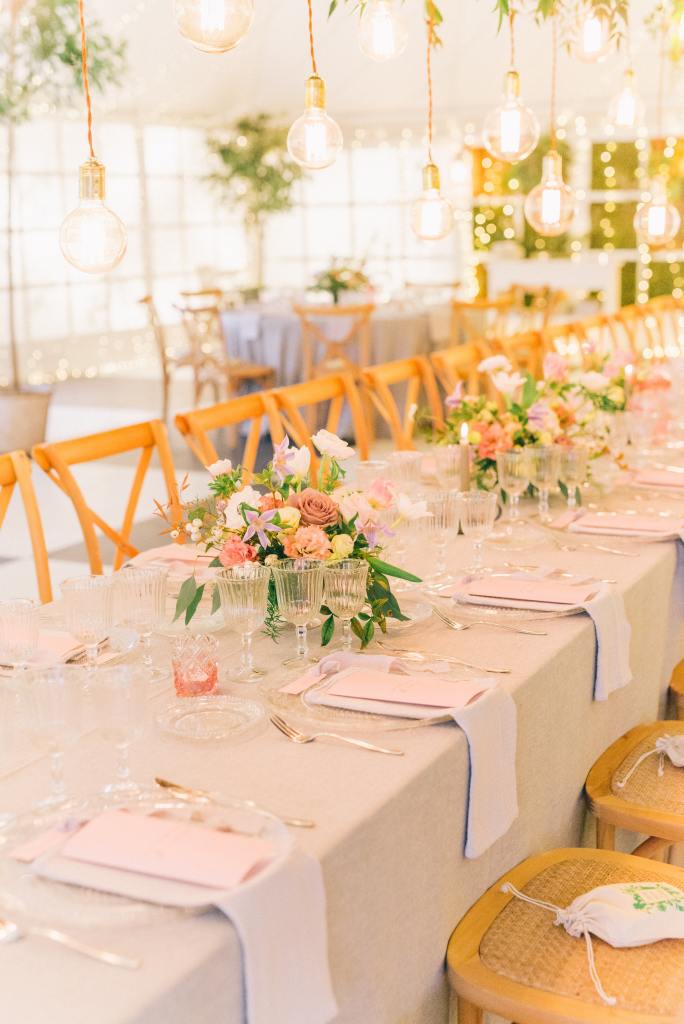
The venue could be an event center, a large hall, an open canopy or an open field. The decoration is contracted to an event planner, whose job is to interpret the chosen colors using decorations to complement the joyful union. The guest list could have more than 250 guests, so proper consideration of seating arrangements, cutlery and decoration is of great importance.
The decoration usually consists of floral arrangements, colored balloons, tapestries of both colors, white tablecloths and chairs covered with lace and ceremonial colors. The planner decorates the high table for dignitaries and places two prominent chairs in front of the crowd for the bride and groom. Other features
Catering is also a serious issue. Again, this can be done by both families. Contracted suppliers must be professional in their conduct and able to prepare varied meals including jollof rice and moin moin, which are washed, ground and steamed beans.
Chicken can be fried or roasted. There can be fried meat, fresh fish and catfish, as well as small chops such as sausages and meat pies. Also traditional are small cakes, chin chin and other small delicacies. Traditional foods such as crushed yam, amala (yam extract), fufu and wheat meals can also be served along with a variety of vegetable dishes.
Sometimes family members on both sides also cook additional meals to entertain their immediate guests, such as neighbors and family friends.
Beverages may be the responsibility of food suppliers or may be purchased from wholesalers or beverage suppliers. Your duty is to refrigerate drinks and serve guests. The type of drinks can be alcohol, juice, punch, fine wines, brandy, mineral water and bottled water. Beverage handlers and food suppliers provide attendants who cater to guests’ needs.
The ceremony is incomplete without elegant young people (who may be friends of the bride or graduate students) accompanying the guests to their tables.
Traditional clothing
The bride’s outfit is a reflection of what the guests will wear. You can choose damask, lace, Nigerian wax fabric or any fabric that appeals to you. the suit consists of gale which is the head tie, the scarab tank top and a yoro, which is a great piece of ankle-length material tied around your waist.
The colors you choose reflect the color theme your family has chosen, but they should also complement the groom’s outfit and look identical. You can wear accessories like gold chains, beads, bracelets, gold earrings and matching shoes. Her face would have gone through a beauty regimen with professional makeup artists, stylists and color coordinators.
The groom may decide to wear a Basin, which is a two-layer piece of heavy-dimensional material as well. Can be cotton and damask or can
The engagement ceremony
The traditional commitment is made by a hired professional called the chair chair which translates as traditional ceremony master. This person could be a member of the bride’s family or a complete stranger. The Alaga Ijoko is always a woman. It is their duty to properly officiate and coordinate procedures so that every provision of tradition is also strictly observed.
There are different stages that she coordinates. Each stage may involve collecting cash that Alaga keeps. The groom and his friends are formally introduced to the bride’s family. This involves bowing to the family and formally requesting the hand of their daughters in marriage.
The groom’s people also hire a professional named the standing chair, meaning a master of ceremonies who follows the groom and the family to ask for their daughter’s hand. The Iduro de Alaga is also a professional custodian of the Yoruba wedding tradition. It can be either family or contracted for the occasion.
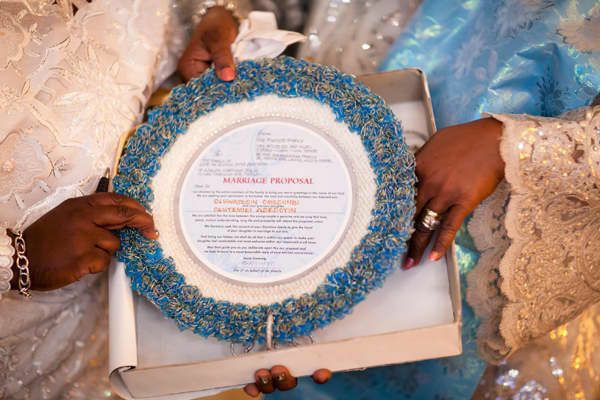
Other festivities include the reading of letters, which is read by a young woman from the groom’s family and who also asks for the bride’s hand. The bride’s family also responds with a letter of their own.
Engagement is an integral part of traditional marriage. As the ceremony progresses, the items listed for the engagement are presented. The items vary slightly at each traditional Yoruba wedding, but the general items are the same.
• a bag of sugar
• a bag of rice
• Alligator Pepper
• A lot of bitter cola
• a bag of salt
• Walnut of cola
• If you are a Christian, a Bible.
• a barrel of honey
• About forty large yam tubers
• Non-food items may include expensive materials such as lace, several pairs of shoes, a wristwatch, a gold engagement ring, and a head tie.
The groom and friends prostrating in front of the bride’s parents and elders.
Who pays the cost?
The bride and groom
Some of Alaga’s ijoko courtship protocols are conducted in the absence of the groom. Professionals go through a question and answer format, where the bride moderator puts the groom’s representatives through some hoops. At one point the presence of the groom is needed and he gets ahead to be introduced to the family and parents of the bride.
When all the requirements are met, the groom is allowed to sit in one of the two large chairs placed visibly in front of the guests. The chairs are artfully decorated with ceremonial colors chosen by the wedding organizer.
Then the bride is announced in the salon, followed by her friends and bridesmaids. This is another
She is introduced to the groom’s family and takes her place next to the groom. At this stage they can be considered married. The wife feeds the groom some cake and wine and even gives him a kiss, for the fun of the guests.
Traditional Yoruba gifts and edible items
Gifts of traditional bridesmaids
gold wrist watches
alligator pepper
rice bag
gold earrings
bitter tail
salt bag
wax cloth
walnut
cow
use lace, wax fabric
colors should complement the
and reflect the color your family has chosen.
The cake and the entertainment
Entertainment may consist of a famous master of ceremonies who may be a family member or a professional. He or she is different from traditional bridegroom and bride side ceremony teachers. This master of ceremony coordinates the entertainment by presenting the live band or the disc jockey, and adheres to the preset program. The marriage has been contracted and all that remains is to dance, celebrate and have fun.
The band is usually ethnic, but combines contemporary folk songs mixed with interpretations in English, Yoruba native language and talking drums. The most popular music genres played on

The cake is the bride’s responsibility. She chooses one that best complements the joyful occasion. It could be chocolate or multi-layer butter with regular frosting. The cake can have small figures of the couple or a simple inscription at the choice of the bride. The pie maker informs the guests about the content of the cake just before the cut. The bride and groom dance puts an end to the traditional wedding. The ceremony can be videotaped and photos taken while the occasion is in full swing. The ending is characterized by photographing families, guests, friends and supporters.
Copyright © 2023 Todos Los Derechos Reservados | Hera events







 Hera Events, Destination wedding