829-647-0816
@heraeventswW
hera.events26@gmail.com

Hera Events, Destination wedding
creating moments
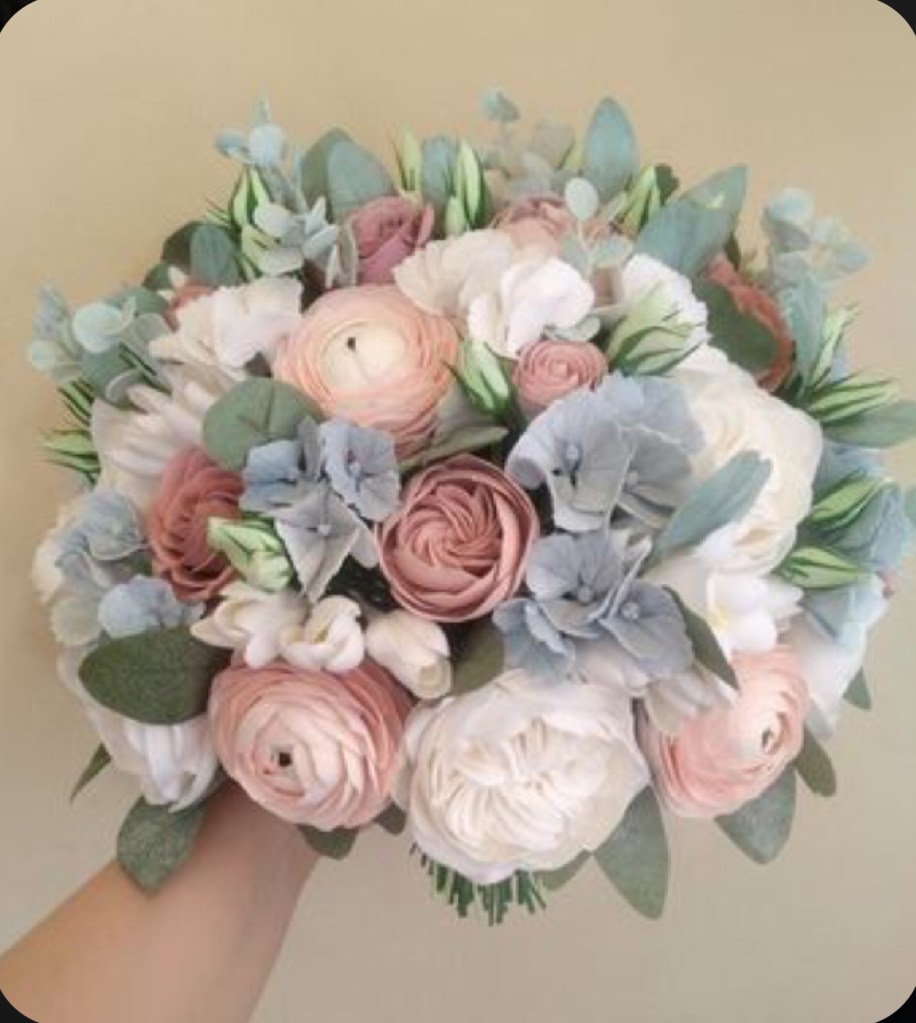
¿CUÁL ES LA DIFERENCIA ENTRE RAMO DE NOVIA Y BOUQUET?
Los ramos de novia son uno de los elementos más especiales durante el gran día. Acompaña a la novia al altar y después se suele regalar a un familiar o amigo cercano, convirtiéndose así en un símbolo muy importante. Dada su importancia, el mundo de los ramos de novia cada vez ha ido evolucionando más y podemos encontrarlos de miles de formas y tipos. En la actualidad los bouquets resuenan más fuerte que nunca y por ello hemos querido dedicar este post a la diferencia entre ramo de novia y bouquet. ¡Comenzamos!
¿EN QUÉ SE DIFERENCIA EL BOUQUET DE LOS RAMOS DE NOVIA?
Ambos términos se emplean como si fueran totalmente distintos, pero en realidad nos estamos refiriendo a lo mismo. Es decir, el bouquet, también conocido como buqué, es un tipo de ramo de novia, pero no todos los ramos de novia son buqués.
Así, el término “ramo de novia” se emplea de forma más general y pueden ser de distintas formas y con distintas flores: Silvestres, con rosas, margaritas… Existe un ramo distinto por cada novia. ¡Así que imaginemos cuántos ramos de novia diferentes hay! Aquí les mostramos unos cuantos que hemos realizado en Flores Castillón para que os inspiré y veas la diferencia entre ellos.
¿QUÉ SIGNIFICA UN RAMO DE NOVIA BUQUÉ?
Entonces…¿Cuáles son los ramos de novia bouquets? La palabra “bouquet” proviene del francés y significa “flores obtenidas del bosque”. Esto hace referencia al uso de flores naturales recién cortadas. Su significado ha ido variando y ahora hace referencia a la forma que tienen las flores del ramo.
De este modo, en un ramo de flores habitual las flores son colocadas con sus propios tallos y las vemos algo sueltas. Sin embargo, el ramo buqué está totalmente confeccionado y elaborado por un profesional, y se caracteriza por su forma redondeada y sus tallos cortados.
Tipos de ramos bouquets
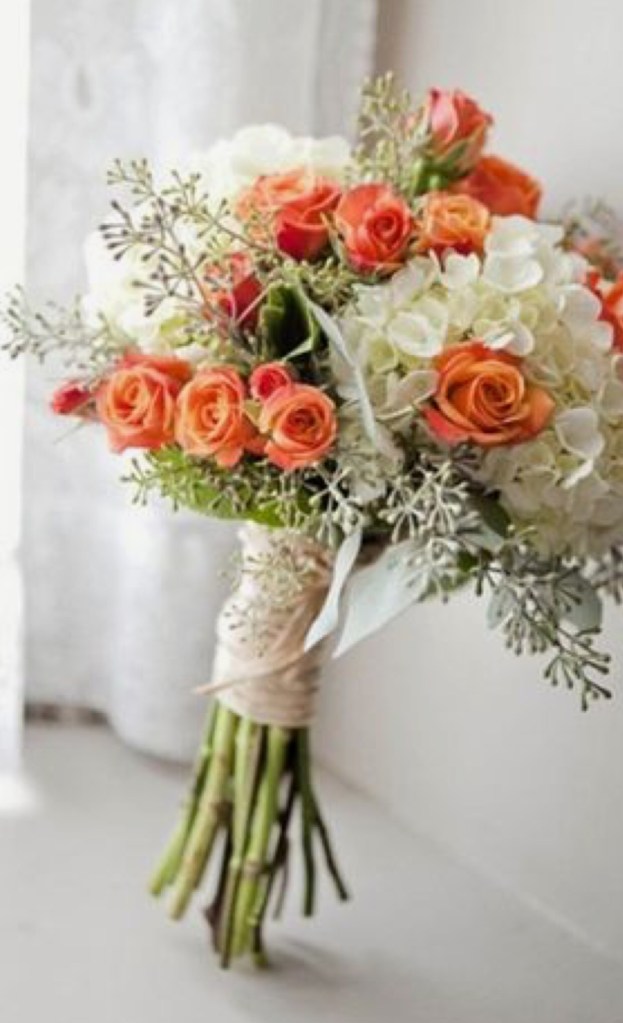
* Además de encontrar bouquets redondos, también existen los bouquets crecientes que son aquellos que dejan caer desde la parte redondeada algunas flores, creando una especie de cascada de flores.
* Otro tipo muy común sobre todo en las bodas es el bouquet apoyado en el antebrazo. En vez de sujetarlo con dos manos, se sujeta como si estuviésemos acunando a un niño.
* Como ves, hay miles de ramos de novia entre los que encontramos distintos tipos de bouquets, caracterizados por sus tallos cortados y por estar totalmente confeccionados. En Hera Events nos encargamos de crear el ramo de novia perfecto para cada novia. ¡No te olvides de visitar nuestra web y ver nuestros trabajos y servicios!


WHAT IS THE DIFFERENCE BETWEEN RAMO DE NOVIA AND BOUQUET?
Bridal bouquets are one of the most special elements during the big day. It accompanies the bride to the altar and then it is usually given to a family member or close friend, thus becoming a very important symbol. Given its importance, the world of bridal bouquets has evolved more and more and we can find them in thousands of forms and types. Today bouquets resonate louder than ever and that is why we wanted to dedicate this post to the difference between bridal bouquet and bouquet. We started!
HOW IS BOUQUET DIFFERENT FROM BRIDAL BOUQUETS?
Both terms are used as if they were totally different, but in reality we are referring to the same thing. That is, the bouquet, also known as a bouquet, is a type of bridal bouquet, but not all bridal bouquets are bouquets.
Thus, the term “bridal bouquet” is used more generally and can be of different shapes and with different flowers: Wild, with roses, daisies … There is a different bouquet for each bride. So let’s imagine how many different bridal bouquets there are! Here we show you a few that we have made in Flores Castillón so that I will inspire you and see the difference between them.
WHAT DOES A BRIDAL BOUQUET MEAN?
So… What are the bridal bouquets? The word “bouquet” comes from French and means “flowers obtained from the forest.” This refers to the use of freshly cut natural flowers. Its meaning has changed and now refers to the shape of the flowers in the bouquet.
In this way, in a usual bouquet of flowers, the flowers are placed with their own stems and we see them somewhat loose. However, the bouquet is entirely professionally tailored and produced, and is characterized by its rounded shape and cut stems.
Types of bouquets bouquets

Habemos una mayoría que nos enganchamos a la nueva serie Netflix basada en el siglo XIX Brigedton, yo en lo personal quede súper enganchada, ya que mi época favorita en la decoración, montajes y fiestas es finales siglo XVIII y XIX. Lo que me lleva a la publicación he información de hoy.
Bodas en el XIX:
• La mejor época para casarse el otoño, pues era el tiempo de la cosecha, que auguraba un matrimonio lleno de riquezas y parabienes. Hay que tener en cuenta, además, que para la aristocracia esto era muy conveniente, pues la temporada social solía terminar a mediados de Agosto.
• La ceremonia se celebraba en la más absoluta intimidad, es decir, los contrayentes y su familia y amigos más íntimos. El resto de los invitados se unían al banquete y fiesta posterior que se celebraba normalmente en la casa de alguno de los novios, normalmente, la que fuera más ostentosa.
• Las amonestaciones tenían que publicarse tres semanas antes de la boda, pero la aristocracia tenía, como en todo, ciertos privilegios y podía solicitar en Doctor´s Common una licencia especial que les capacitaba para casarse sin respetar estos periodos establecidos por la iglesia anglicana.
• Los novios debían entrar por separado a la iglesia y en aquellos tiempo era la novia la primera en cruzar la puerta de la iglesia, acompañada por la dama de honor, que era una niña de menos de 12 años (debía ser una familiar de consanguinidad directa) que era la encargada de abrir el séquito portando las flores con las que se pide por la fertilidad de la novia. Esta es una costumbre medieval. En la Inglaterra del siglo XIX, la dama de honor empezó a ser una mujer adulta, una amiga íntima y confidente de la novia.
• La novia siempre se situaba a la izquierda del novio y esta tradición sí que tiene un origen increíble: los hombres debían poder utilizar libremente su brazo derecho para empuñar el arma ante un posible ataque en el que tuviera que defender a su amada. Hay que recordar que, en muchas ocasiones, las novias eran secuestradas, y podía darse el caso de que los familiares intentasen recuperarla y el novio tuviera que pelear al tiempo que el cura les daba la bendición.
• Una de las que más suele gustar y que aún hoy se sigue llevando a cabo, es la costumbre del novio de alzar en brazos a la novia para atravesar la puerta de su nuevo hogar. La explicación es que traía mala suerte que la novia pusiera un pie cerca del umbral de la puerta porque allí habitaban malos espíritus que podían traer la desgracia al matrimonio. Otra teoría es que daba mala suerte que la novia se cayera al cruzar el umbral y para evitarlo el novio la cargaba en brazos.
• Curiosamente, otra costumbre actual, la de que el novio no puede ver a la novia antes de la boda, proviene de aquella época de los matrimonios concertados. Los novios no se veían antes de la cita con el párroco en el altar para que no se echaran atrás si les disgustaba su futuro esposo/esposa.
• Una de las que más me gusta es el origen del blanco para el traje de novia. Fue la reina Victoria de Inglaterra quien lo puso de moda, usando un vestido de este tono en su enlace real. Antes se usaban colores pasteles, muy especialmente el amarillo, el verde o el rosa. ¡Ojo con esto! Una novia no se hubiera casado de blanco en Inglaterra en la Regencia.
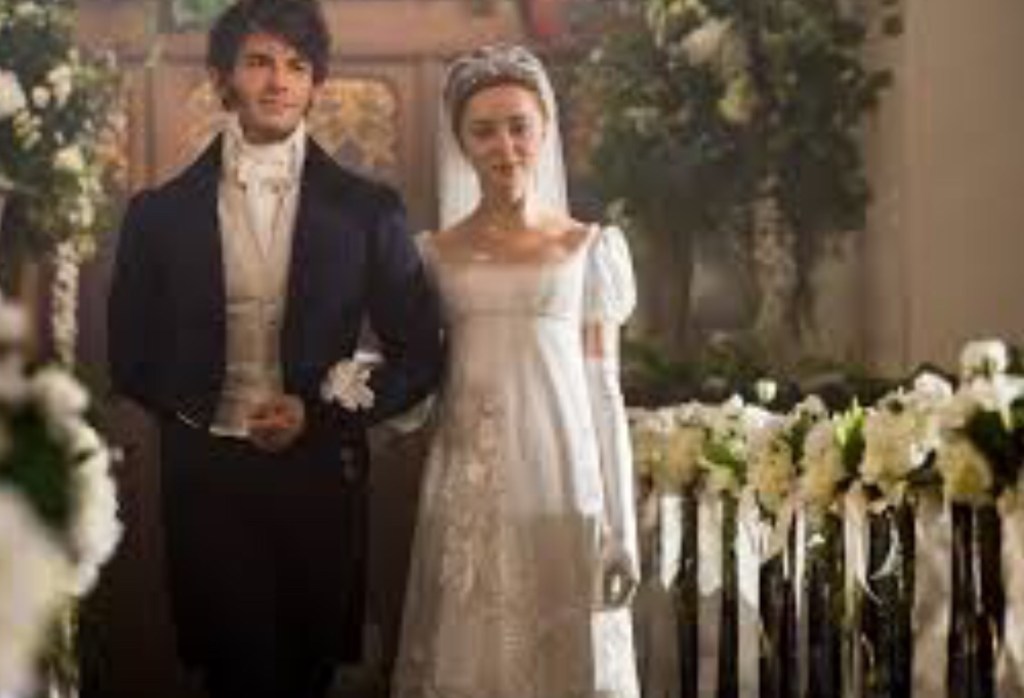
Most of us are hooked on the new Netflix series based on the 19th century Brigedton, I personally got super hooked, since my favorite time in decoration, montages and parties is the late 18th and 19th centuries. Which brings me to the post I have information for today.
Weddings in the XIX:
* The best time to marry in the fall, as it was the time of harvest, which augured a marriage full of wealth and benefits. It must also be borne in mind that for the aristocracy this was very convenient, since the social season used to end in mid-August.
* The ceremony was held in the most absolute privacy, that is, the spouses and their family and closest friends. The rest of the guests joined the banquet and after party that was normally held in the house of one of the bride and groom, usually the one that was more ostentatious.
* The reprimands had to be published three weeks before the wedding, but the aristocracy had, as in everything, certain privileges and could request in Doctor’s Common a special license that enabled them to marry without respecting these periods established by the Anglican church.
* The bride and groom had to enter the church separately and at that time the bride was the first to cross the church door, accompanied by the maid of honor, who was a girl under 12 years old (she had to be a relative by consanguinity direct) who was in charge of opening the entourage carrying the flowers with which she asks for the fertility of the bride. This is a medieval custom. In 19th century England, the maid of honor became a grown woman, a close friend and confidant of the bride.
* The bride was always located to the left of the groom and this tradition does have an incredible origin: men should be able to freely use their right arm to wield the weapon against a possible attack in which they had to defend their beloved. It must be remembered that, on many occasions, the brides were kidnapped, and it could be the case that the relatives tried to recover her and the groom had to fight while the priest gave them the blessing.
* One of the most popular and that is still carried out today is the groom’s custom of picking up the bride to walk through the door of her new home. The explanation is that it was unlucky for the bride to set foot near the threshold of the door because evil spirits lived there and could bring misfortune to the marriage. Another theory is that it was bad luck that the bride fell when crossing the threshold and to avoid this her boyfriend carried her in her arms.
* Curiously, another current custom, that the groom cannot see the bride before the wedding, comes from that era of arranged marriages. The bride and groom did not see each other before the appointment with the parish priest at the altar so that they would not back down if they disliked their future husband / wife.
* One of the ones I like the most is the origin of white for the wedding dress. It was Queen Victoria of England who made it fashionable, wearing a dress of this tone in her royal link. Before, pastel colors were used, especially yellow, green or pink. Be careful with this! A bride would not have married in white in England in the Regency.
In our new services
we have: wedding packages, family trips, business trips that include: flights, stays, accommodations, entertainment, transfers, romantic dinners, group dinners, and everything you can imagine in one place.

We are ambassadors of weddings, officials, of the chain of hotels and resorts Playa

12 Normas de modales en la mesa, que debemos tener.
https://heraeventsplanner.design.blog/2020/09/26/12-normas-de-modales-en-la-mesa-que-debemos-tener/
— Leer en heraeventsplanner.design.blog/2020/09/26/12-normas-de-modales-en-la-mesa-que-debemos-tener/
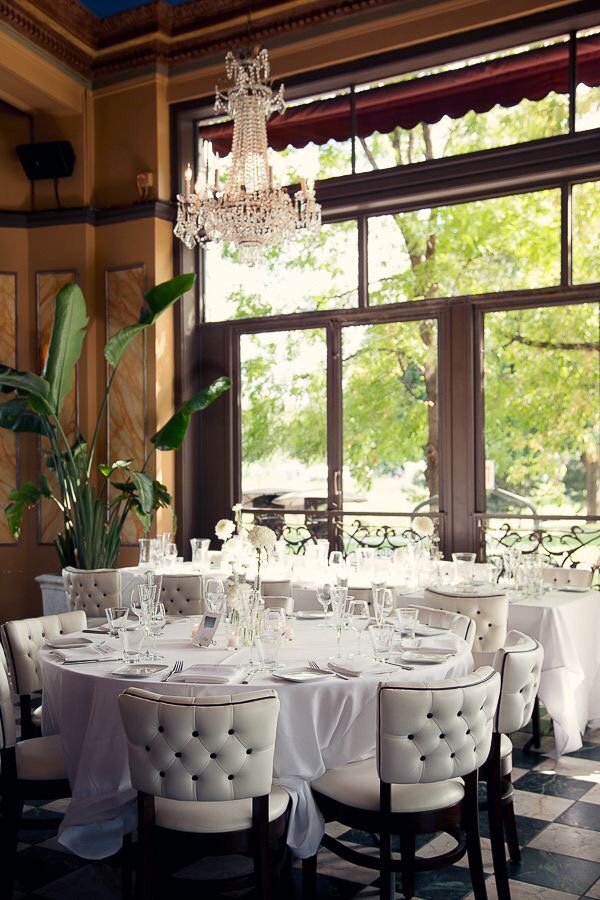
12 rules of etiquette at the table Hera Event, Wedding planner and events planner
It is common to have to attend formal meetings or special dinners, where the occasion invites us to make use of rules of courtesy, but for some reason we have not had the opportunity to to learn. However, even if it is our first time, and however casual or familiar the meeting becomes, exercising some rules of etiquette will make you deserve the appreciation of those who accompany you. From the way we behave, when holding the silverware, or something as simple as saying hello, asking please or thanking; They are basic rules that we should not go unnoticed, to avoid facing an uncomfortable moment. Label “Ceremonial of styles, uses and customs that must be kept in solemn public acts”.
Réal academia española
With the above definition of the “Royal Spanish Academy” we understand that the label is a set of rules that are established in events of any type, considering their different levels of formality, which are used to act with respect and good sense, to enhance the presence of people who belong to different cultures and customs, and must be preserved at all times that go beyond holding special meetings. I will show you the essential rules of etiquette when attending any formal meeting. I will be somewhat frank in my recommendations, and far from bothering you, you will know guidelines that will allow you to assimilate common situations when eating.
1. LET’S CARE VERY MUCH OUR POSTURE – Let’s avoid placing our elbows on the table, much less should we take a stooped posture. We must sit upright, with our hands on our legs, this will show us as a confident and refined person.
2. DO NOT START EATING ALONE – In family gatherings or on formal occasions, it is in bad taste to observe a diner start the meal alone, it should be started only when the host indicates it. 3. THE FORK GOES TO THE LEFT, AND THE KNIFE TO THE RIGHT – To make a cut to the food it is necessary to have the knife in our right hand, which is where the greatest force is concentrated, and holding the food with the fork in the left hand we can exercise a smooth and simple cut. It is a bit difficult at first, but the technique will be mastered as we practice.
4. DO NOT TALK WITH A FULL MOUTH – No matter how interesting the conversation is, we must avoid talking with food in the mouth, it is not polite to introduce more food without first swallowing.
5. CHEW WITH YOUR MOUTH CLOSED – The people around us will not want to see the crushed food in our mouth, in addition, eating with your mouth closed will avoid the annoying sounds that are produced when chewing. We must also take the drink before or after chewing, never while we are chewing.
6. DRINK IN SMALL SIPS – Avoid taking the drink in a hurry, and we must prevent the glass from touching our nose. Both situations will only expose our desperation. Only in case of a toast where a small quantity is served, it is correct to take it in one gulp.
7. SWEETENING WITHOUT TESTING THE SPOON – When sweetening a tea, coffee, or fruit juive, we must sweeten without tasting the spoon, so that others can use it later. Also, it is very rude to leave the spoon inserted in the glass or cup, since it gives the impression that the spoon has been tested; the ideal is to sweeten and then place the spoon in a visible place.
8. AVOID GETTING UP FROM THE TABLE – And if we do, we apologize. Let’s try to use the phone only in exceptionally necessary cases. Many and especially older people appreciate expressing respect when it comes to food.
9. IF SOMETHING IS DROPPED OUT OF THE PLATE – We know that food can accidentally fall off the plate, so it should be picked up discreetly with the knife, and left on the edge of the plate, never pick it up with your hands, much less it must be ingested.
10. NEVER, NEVER LUCK YOUR FINGERS – No matter how delicious the food tastes, finger licking is very rude, and our hands are home to hundreds of microorganisms.
11. IT IS SPEAKED IN A LOW VOICE – In haute cuisine restaurants and in formal gatherings the usual shouting is not pleasant at all, and besides being not pleasant, it should not occur. They speak in a low voice, avoiding disturbing other tables.
12. WE SHOULD NOT PUSH THE PLATE AT THE END OF EATING – We usually do, but pushing the plate gives the impression that the food has not been to our liking. If we have no intention of offending the person who prepared it, it is best avoided.
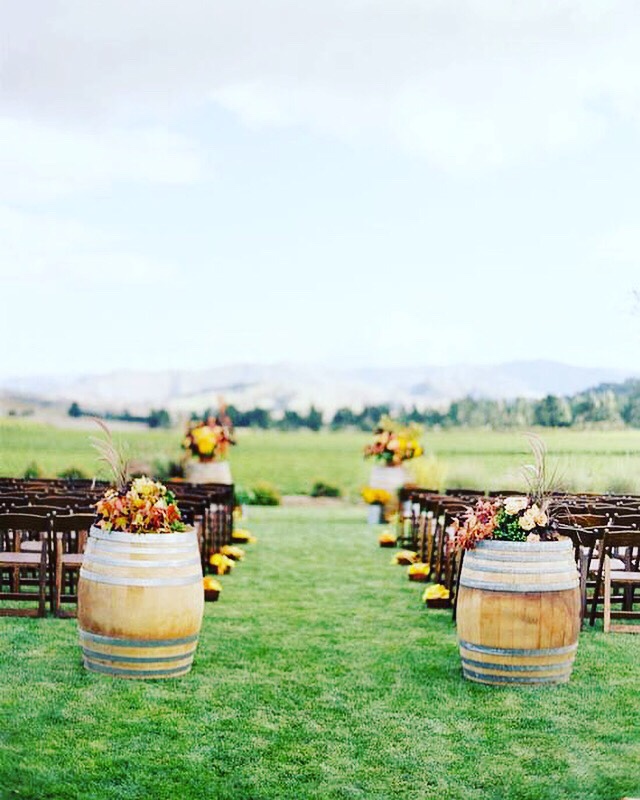
 Hera Events, Destination wedding